Three models vote, and a register shows where they disagree
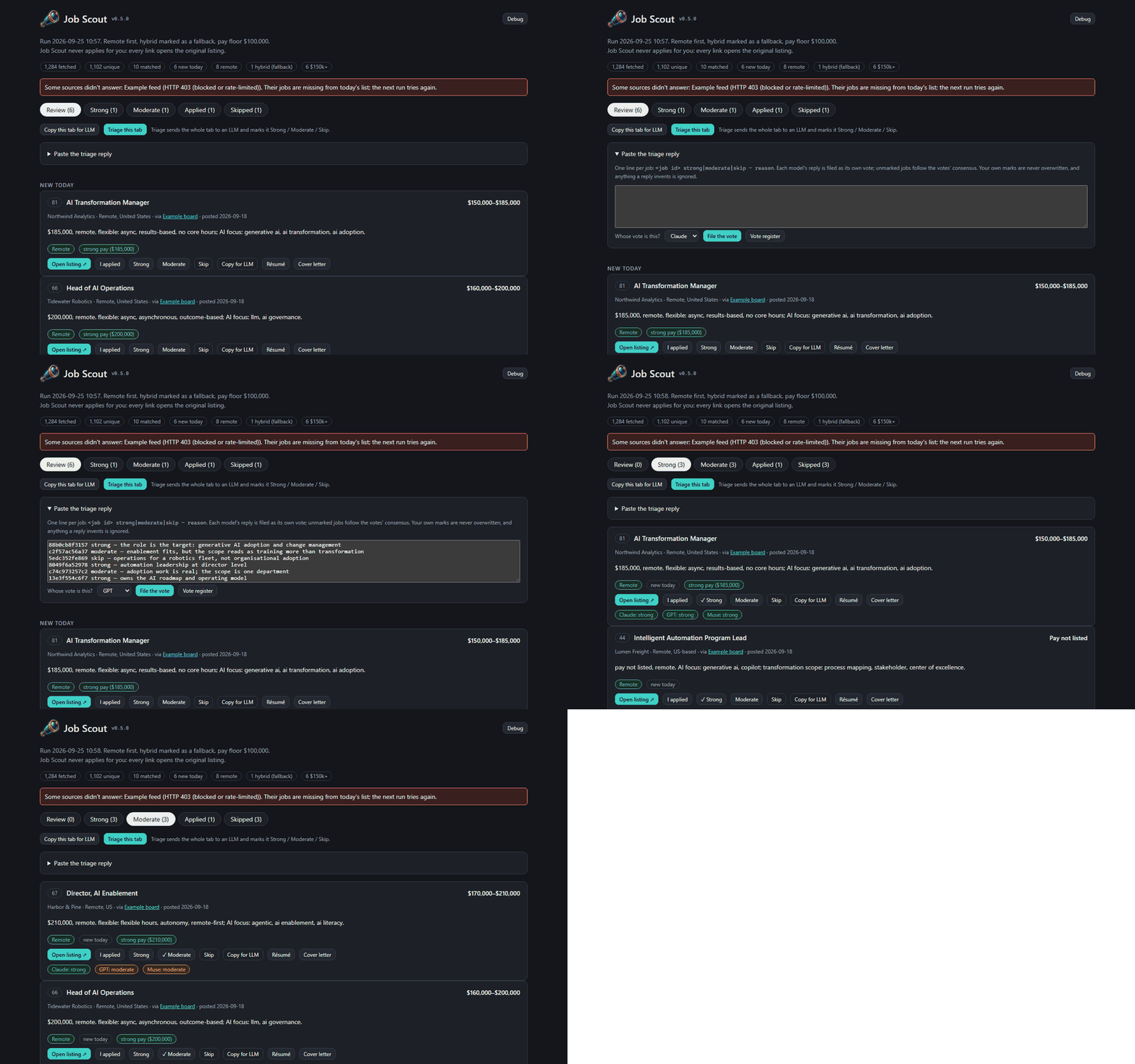
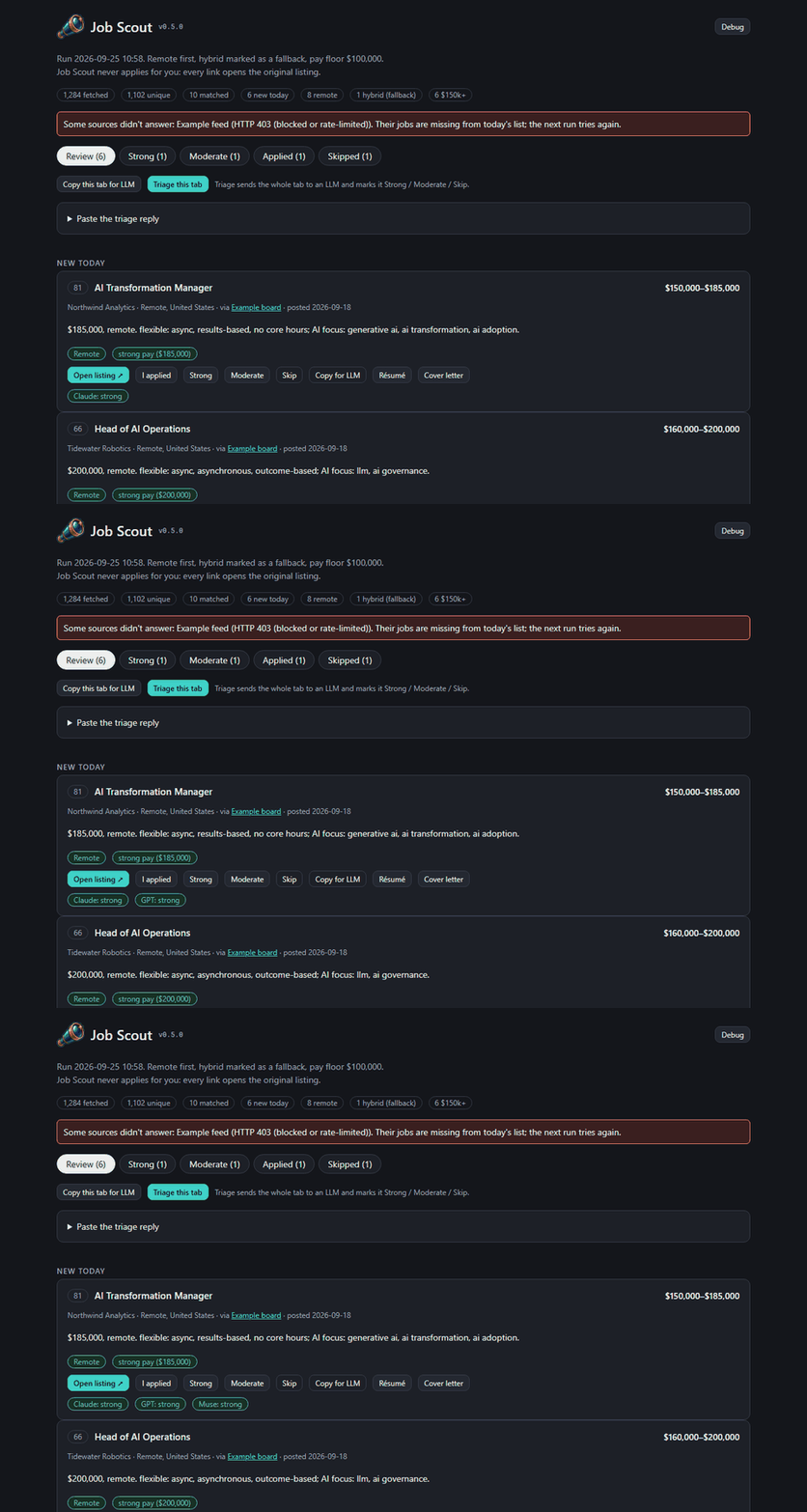
Triage now takes votes, not verdicts. The same batch goes to several models — here Claude, GPT and Muse — and each reply is filed under its voter's name. A voter's new reply replaces only its own earlier vote. Each unmarked job is marked from the consensus: a majority wins, and a true split (no majority) lands on Moderate, which is exactly what a split is — worth a second look.
Every card shows the votes as chips, one per model, with the model's reason on hover. (GIF) shows the same cards as Claude, then GPT, then Muse vote.
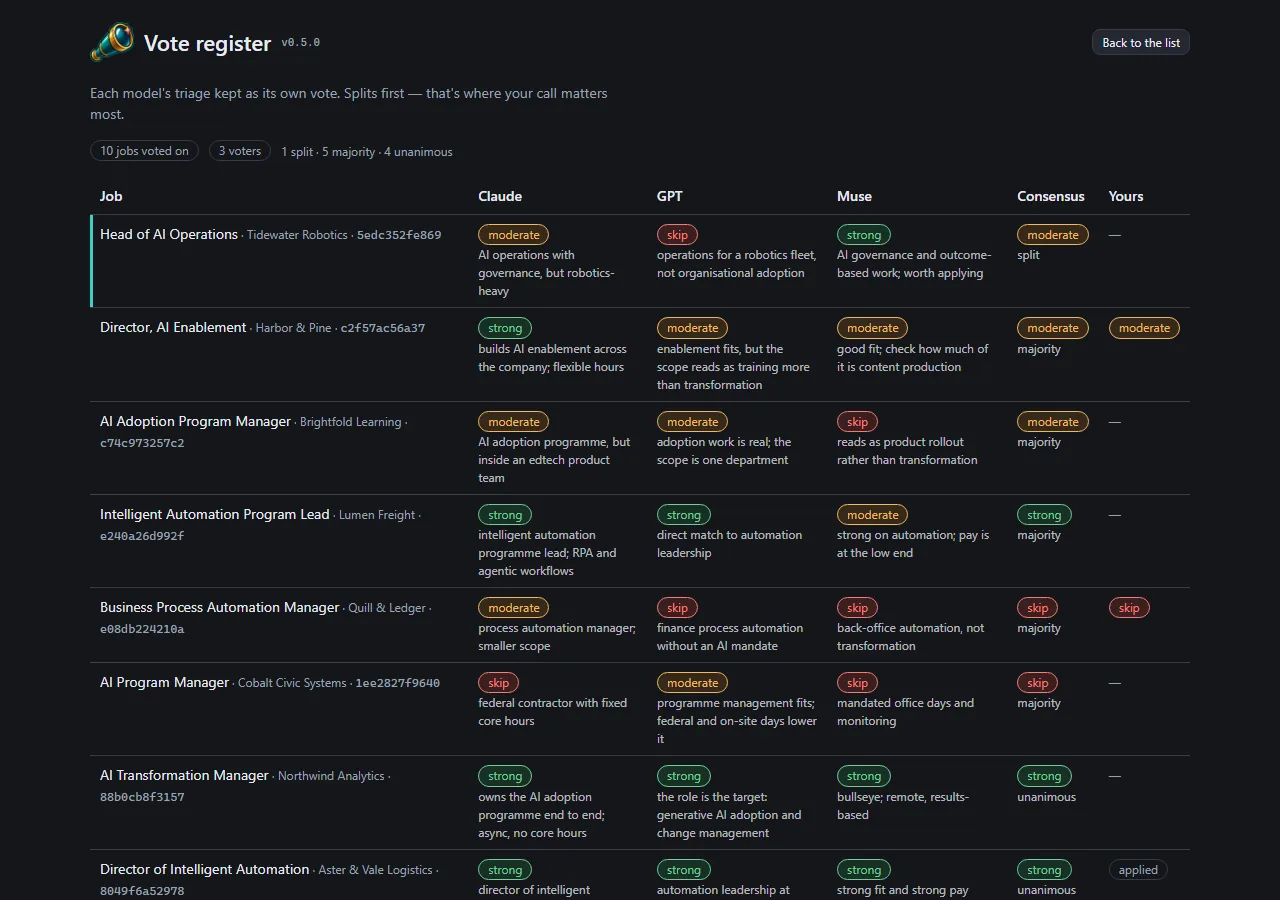
The vote register lists every voted job with each model's verdict and reason side by side, the consensus, and the person's own mark — splits first, since that's where a human call matters most. (screenshot)
The person still decides. A job they marked themselves keeps their mark whatever the votes say; the votes are still recorded, so the register shows where the models disagreed with them.
What the first real run showed. On one real day's list, three models agreed on 100 of 144 jobs, agreed two-to-one on 43, and split three ways on one. The disagreements clustered: one model consistently rated technical customer-facing architect roles higher than the other two. The register also exposed two problems in Job Scout's own batch, not the models' judgement: for some employers the trimmed description was all company boilerplate, so the models were judging titles; and some roles marked remote list only an office city. Both are now on the backlog.

 Job Scout